





We define how you differentiate clearly—not just visually, but strategically—to avoid price competition and confusion.
We refine and structure your offer into a compelling, defensible, and scalable market proposition.
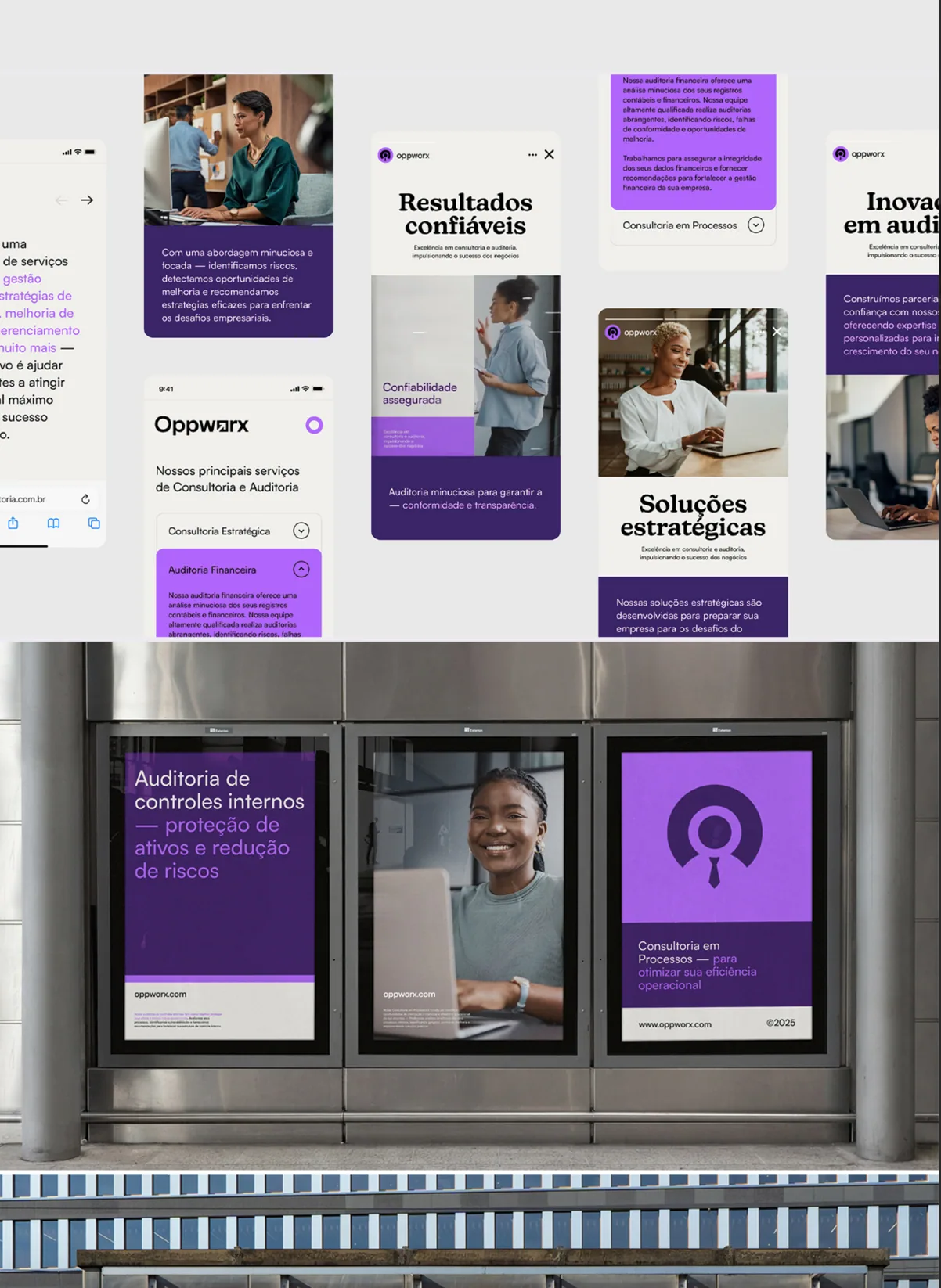
We structure your tone of voice and key messages so your brand communicates consistently across every touchpoint.
Brand Architecture & Strategic Positioning
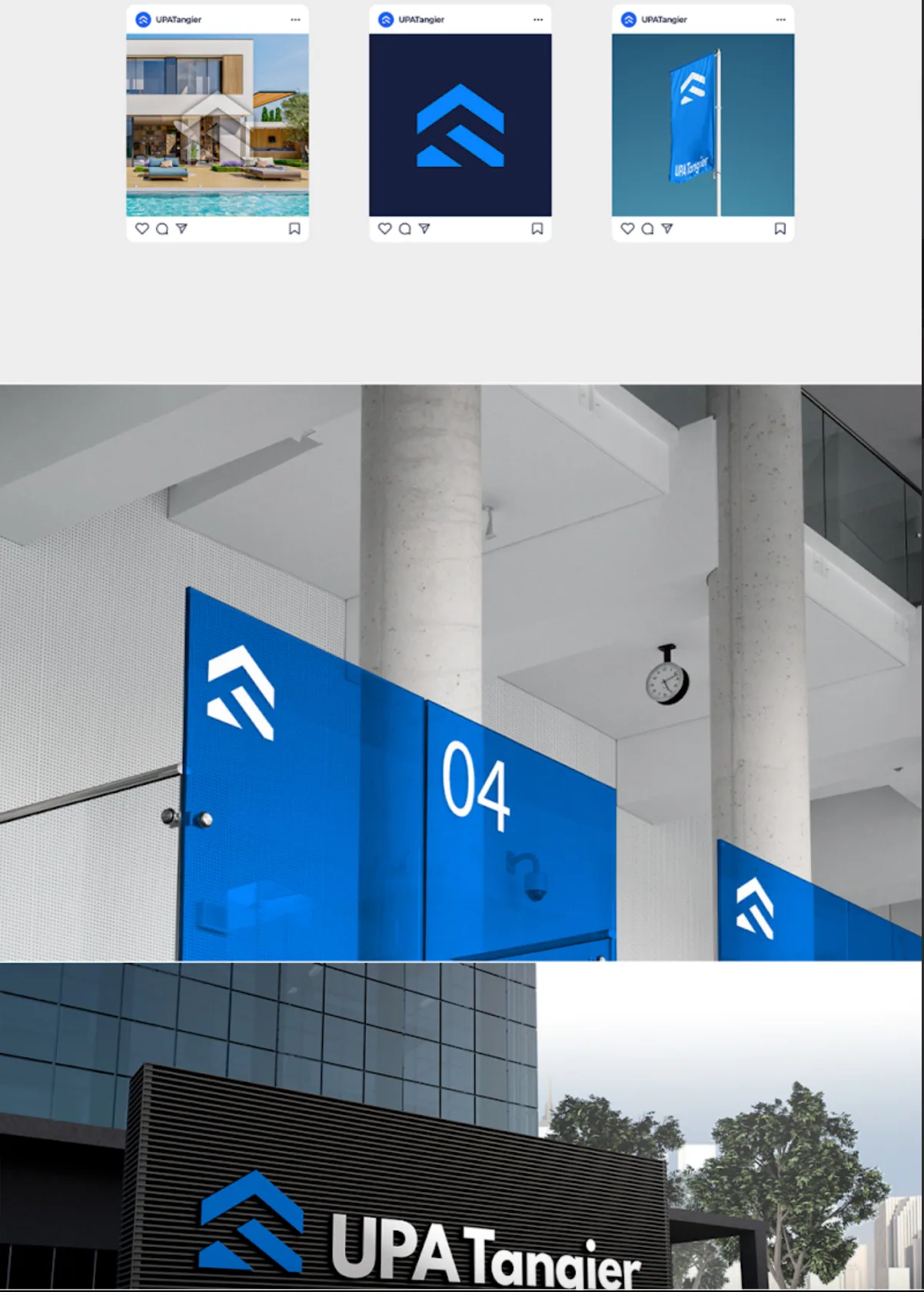
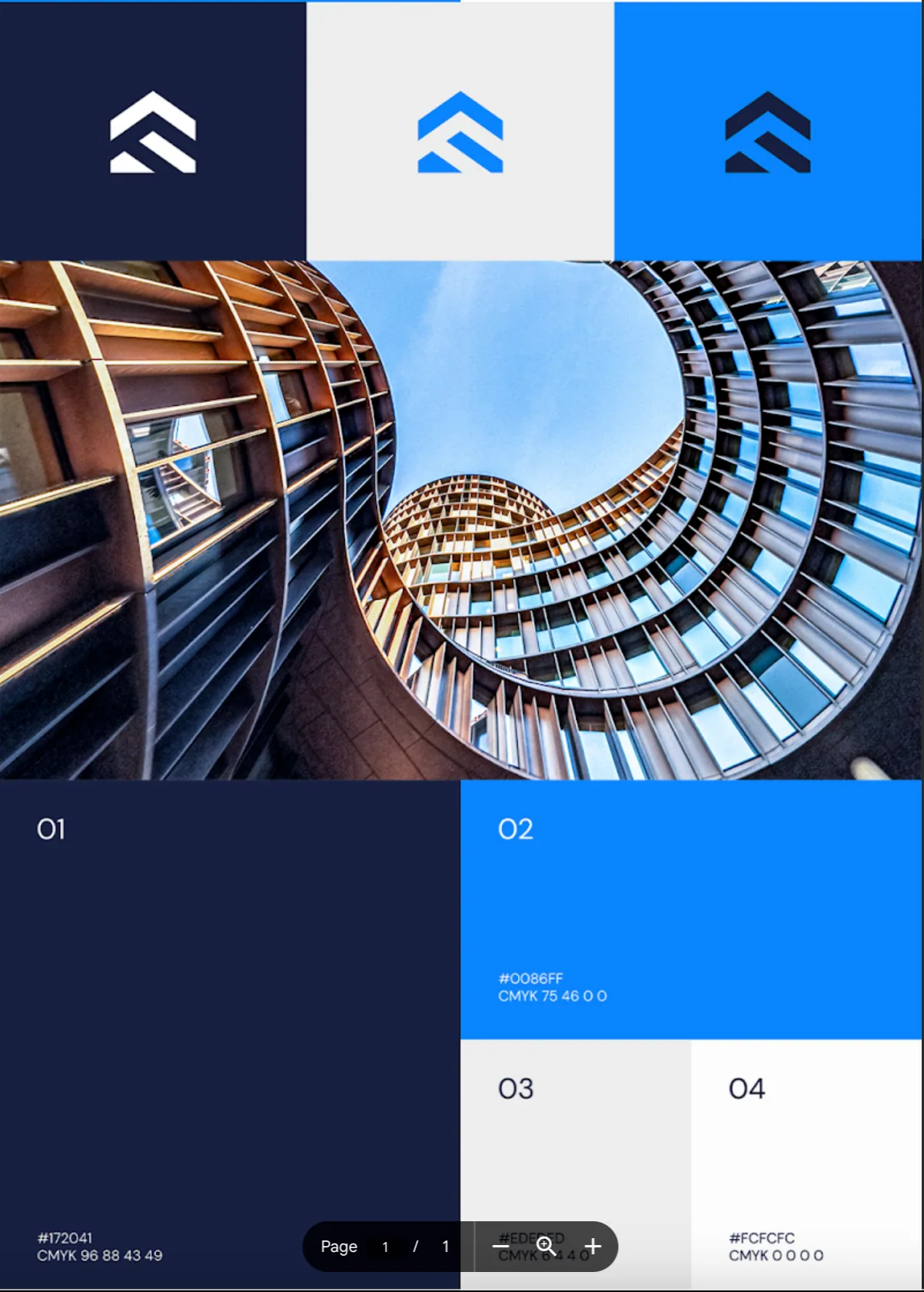
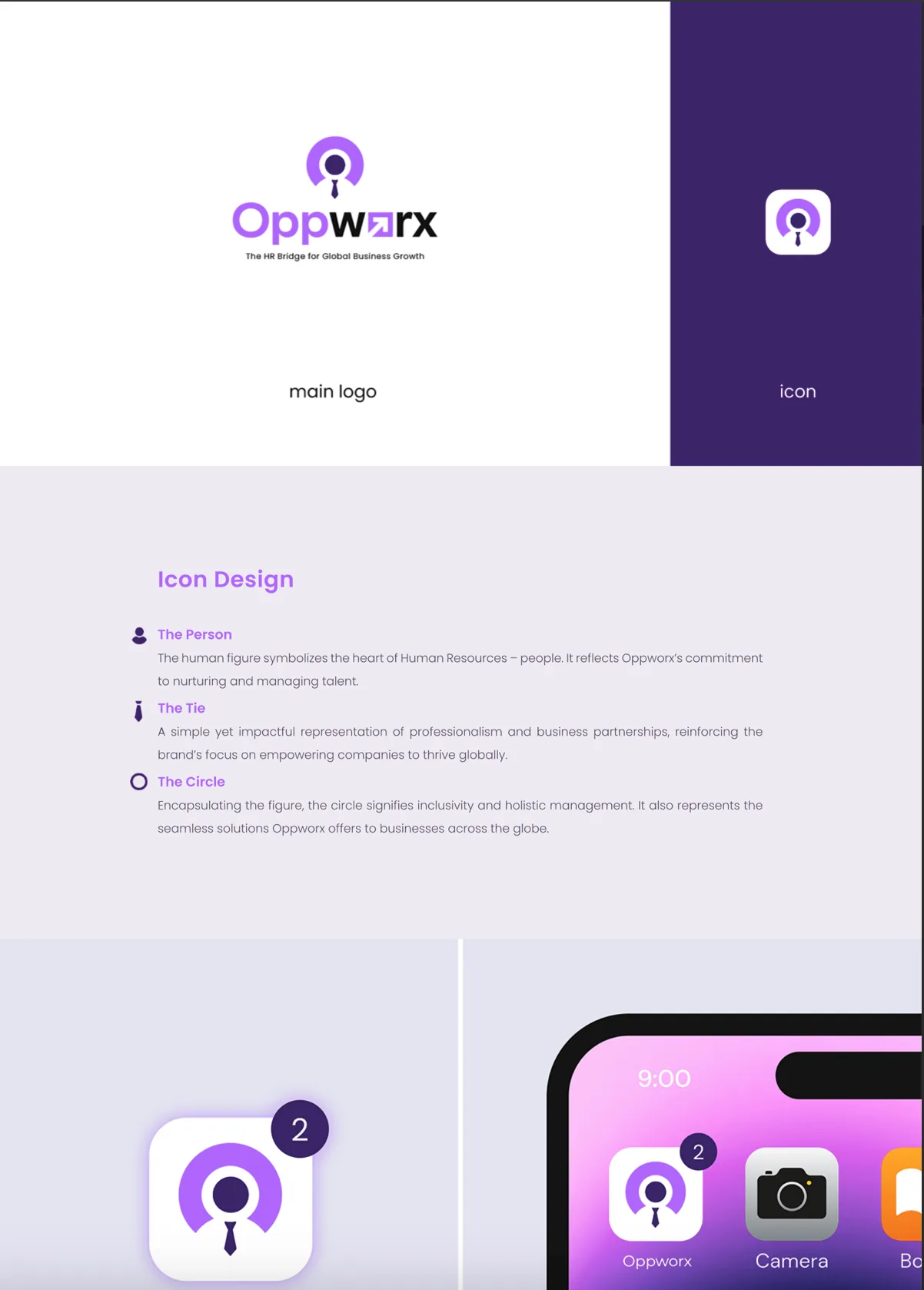
Your brand is not your logo. It’s the structure behind your visibility
We design strategic brand systems that define who you are, how you communicate, and why your market chooses you. Positioning before promotion. Structure before scale. Without architecture, marketing becomes noise. With the right positioning, growth becomes more measurable.
Brand Strategy 90%
Market Positioning 90%
Logo & Visual Identity Design 98%
Complete Brand Guidelines 90%
Competitive Differentiation 80%

Brand Architecture Framework
What We Build Inside Your Brand
01
We analyze your industry, competitors, and audience psychology to define your unique market space. You don’t compete randomly you occupy a strategic position.
02
We clarify what makes you different, valuable, and distinctive and difficult to substitute. Clear messaging that communicates authority in seconds.
03
We structure your tone of voice, core messages, storytelling pillars, and communication hierarchy for consistency across all platforms.




04
We identify the right audience segments and define their motivations, pain points, and buying triggers.
05
We map your competitors and design strategic differentiation to avoid price wars and market confusion.
06
We create a structured brand foundation that supports content, production, advertising, and long-term growth.
A project, a challenge, or a growth ambition? Let’s talk.
Tell us about your brand or company
